The diaspora sent Africa $124bn last year, and going digital is the cheapest way to send it
A new UN report finds money sent home to Africa has almost doubled in a decade. Most of it pays for food, rent and school, and fees still take a bigger bite than anywhere else in the world.
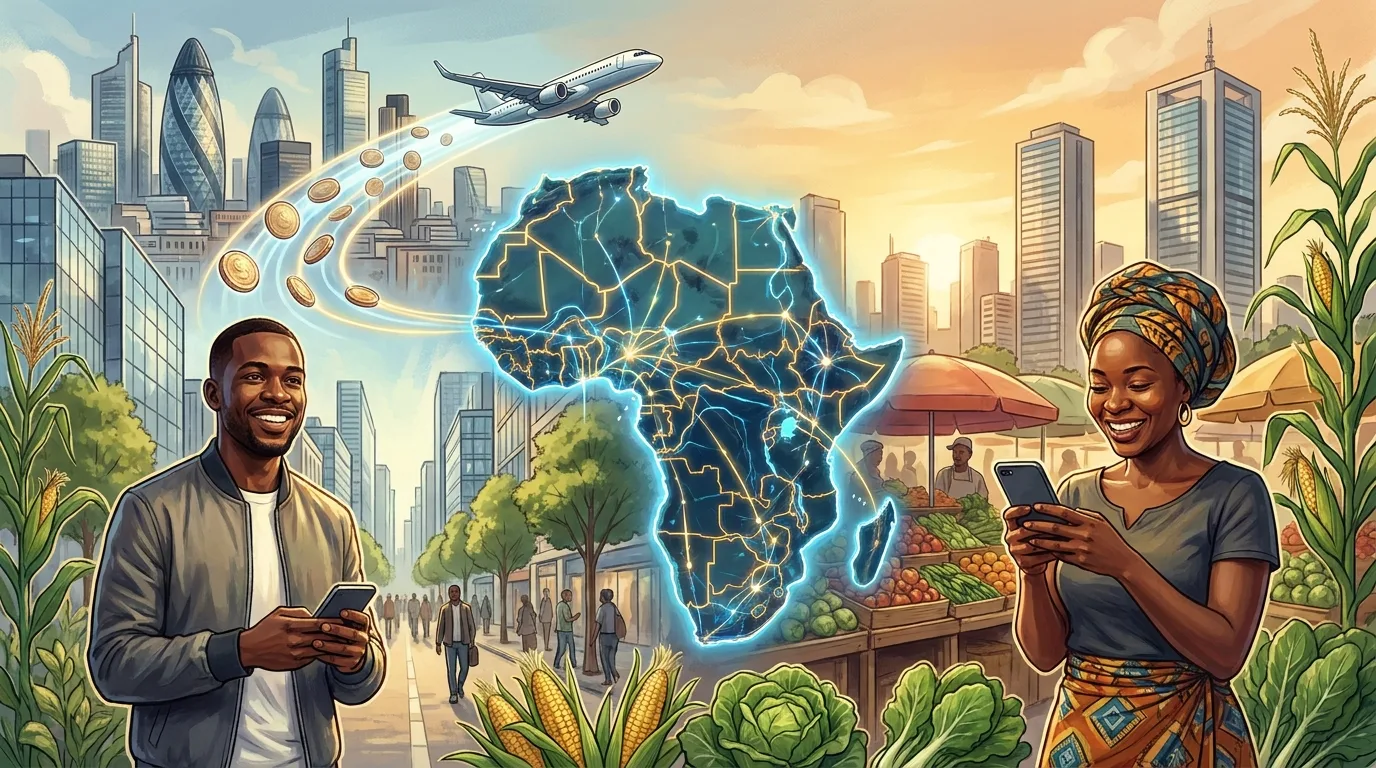
Every month, millions of nurses, drivers, students and shopkeepers in London, Houston, Dubai and Johannesburg send money home. In 2025 those transfers added up to $124.2 billion for Africa, according to the UN's International Fund for Agricultural Development (IFAD).
The figure comes from IFAD's Sending Money Home 2026 report, published in September. Money reaching Africa has grown 86 per cent since 2016, and across low- and middle-income countries remittances are now worth more than four times official aid.
- $124.2bnsent home to Africa in 2025
- 86%growth since 2016
- 4.6%average fee on a fully digital transfer
- 7.3%average fee when cash is involved
Where the money goes
Egypt is now the continent's biggest receiver, ahead of Nigeria. Ethiopia and Kenya have moved up past Ghana and Algeria.
- Egypt: about $41.5 billion
- Nigeria: about $22.8 billion
- Morocco: about $13.7 billion
- Ethiopia: about $7.1 billion
- Kenya: about $5.0 billion
Totals hide where it matters most. In The Gambia and Lesotho, money from relatives abroad equals around a fifth of everything the country produces. For many households, a transfer from a cousin in Birmingham or a daughter in Atlanta is their most reliable income.
Food, school fees and farms
IFAD estimates that about three-quarters of the money goes on food, housing and bills. The rest pays for school fees, health care, savings and small businesses. Families who receive it also put around $22 billion a year into farming worldwide: better seed, irrigation and livestock.

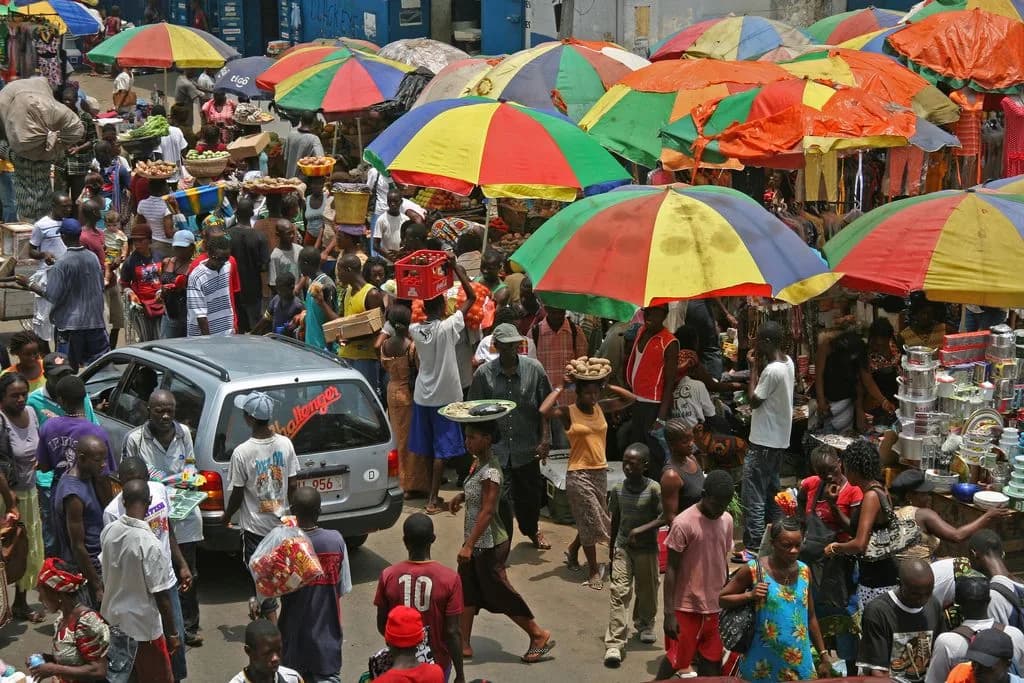
Photo: StormSignal from Magaliesburg, South Africa — CC BY-SA 2.0, via Wikimedia Commons
Fees are still too high
Africa remains the most expensive region in the world to send money to. The UN's target is under 3 per cent by 2030; the global average is still more than twice that.
How you send matters most. A transfer that is digital from end to end, from an account abroad into a mobile wallet or bank account at home, cost about 4.6 per cent in 2025. Where cash is involved at either end, it cost about 7.3 per cent.
Choosing a fully digital route can cut the cost of sending money home by around a third.
Based on IFAD's Sending Money Home 2026
How to keep more of your money
- Compare what arrives, not the fee. Many services advertise low fees and profit on the exchange rate.
- Go digital at both ends. App to mobile wallet or bank account is usually the cheapest route.
- Check the prices. The World Bank's Remittance Prices Worldwide site compares the cost of each route.
Do you send money home? Which service works best for you? Tell us in the comments.


Comments
No comments yet.