IMF forecasts 4.5% growth for sub-Saharan Africa in 2026, led by South Sudan, Ethiopia and Rwanda
The region is set to outpace the world economy again, and Ghana has been singled out for praise. Here is where growth is strongest, and what it means for Africans abroad.
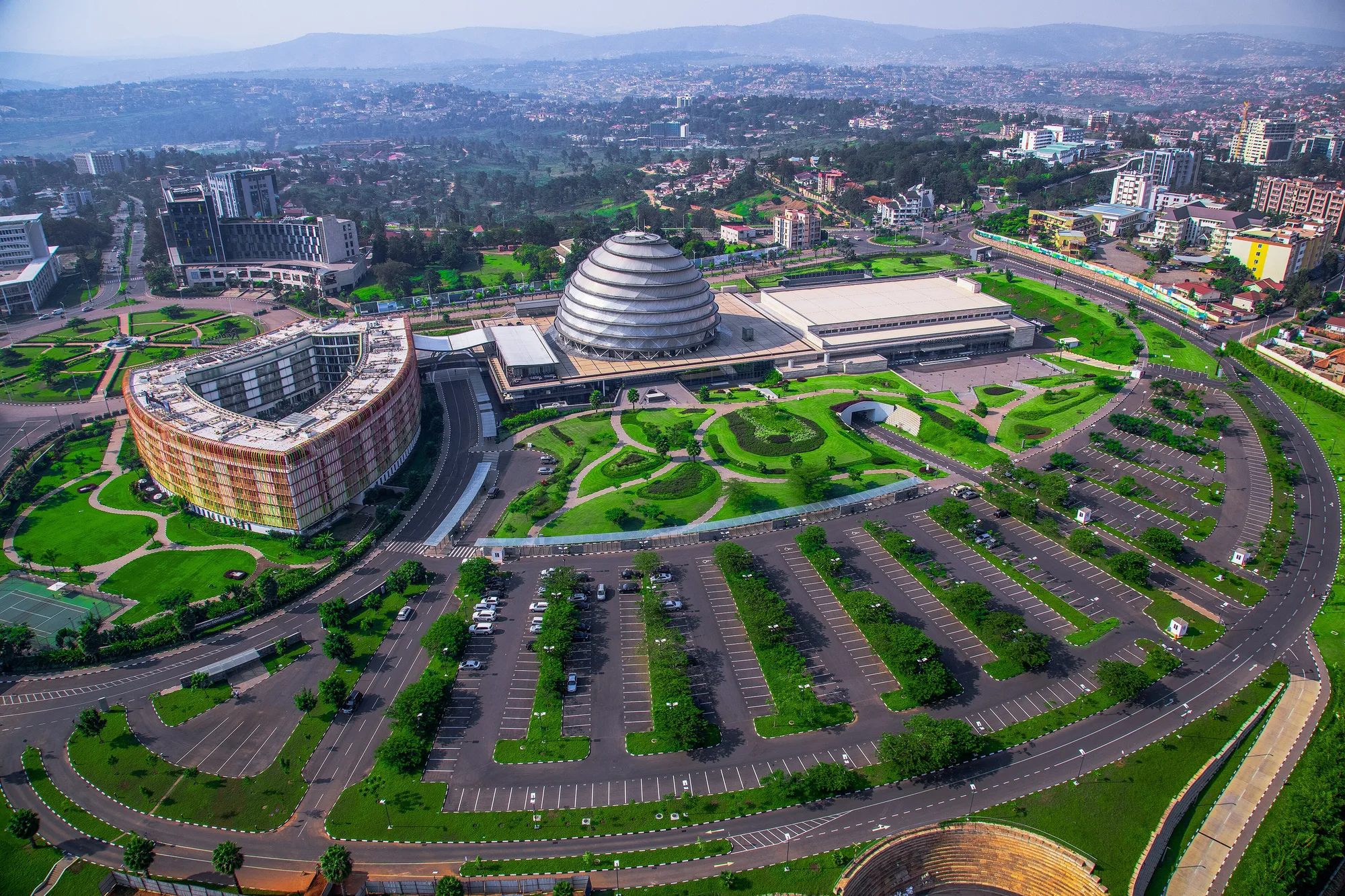
Sub-Saharan Africa's economy will grow by 4.5% in both 2026 and 2027, the International Monetary Fund said in mid-October at its Annual Meetings in Bangkok, nudging this year's forecast up by 0.2 percentage points from April. South Sudan, Ethiopia and Rwanda are expected to grow fastest, and Ghana is among the region's top ten.
- 4.5%IMF growth forecast for the region, 2026 and 2027
- 5.7%Ghana's forecast growth in 2026
- 4.3%The World Bank's 2026 forecast, raised in October
- 3.1%IMF forecast for global growth in 2026
Where growth is strongest
The regional update, titled Resilient Growth, Clouded Outlook, sits alongside the Fund's World Economic Outlook, which sees the global economy slowing this year. Africa south of the Sahara is expected to outpace it comfortably, though the IMF stresses that a single average hides wide differences between countries.
Countries selling oil, copper and gold are gaining from higher prices for all three, while some economies with fewer natural resources are slowing a little. These are the names to watch:
- South Sudan, Ethiopia and Rwanda: the three fastest-growing economies in the region in 2026, on the IMF's figures.
- Ghana: forecast at 5.7%, just below the 6% it managed in 2025, and in the region's top ten.
- Nigeria and Ethiopia: praised for fuel-subsidy and exchange-rate reforms that helped steady the wider region.
- Angola, Ethiopia, Nigeria and Zambia: among the nearly three-quarters of countries whose forecasts the World Bank raised this month.
Ghana held up as an example
Ghana drew particular praise. Three years after a painful debt crisis sent it to the Fund for help, it is now forecast to grow 5.7% this year with inflation of around 4.8%. After meeting Finance Minister Cassiel Ato Forson in Bangkok, the IMF's Africa director, Zeine Zeidane, did not hold back.
“Ghana is in a very good place; we are confident in Ghana's economic performance.”
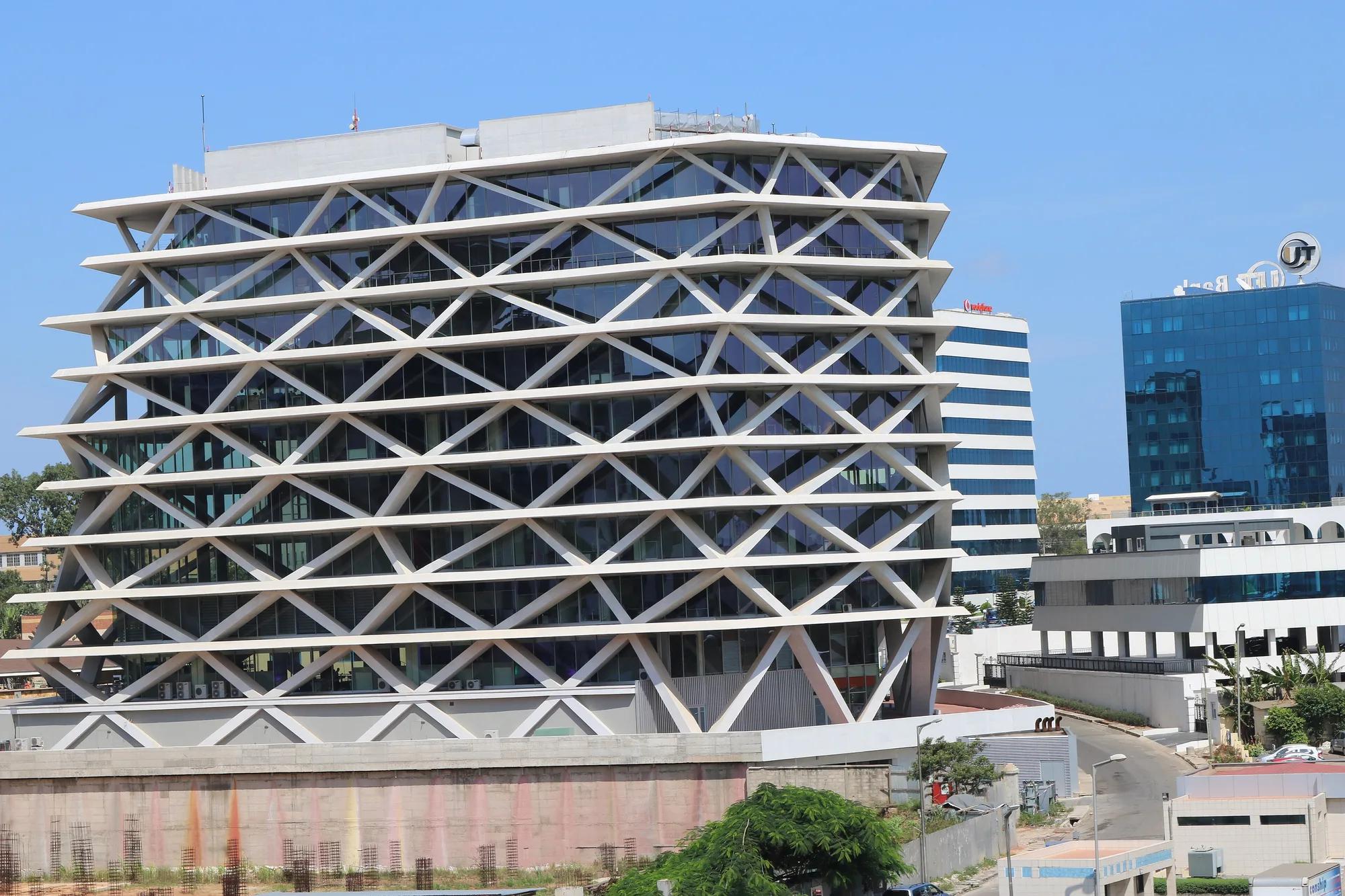
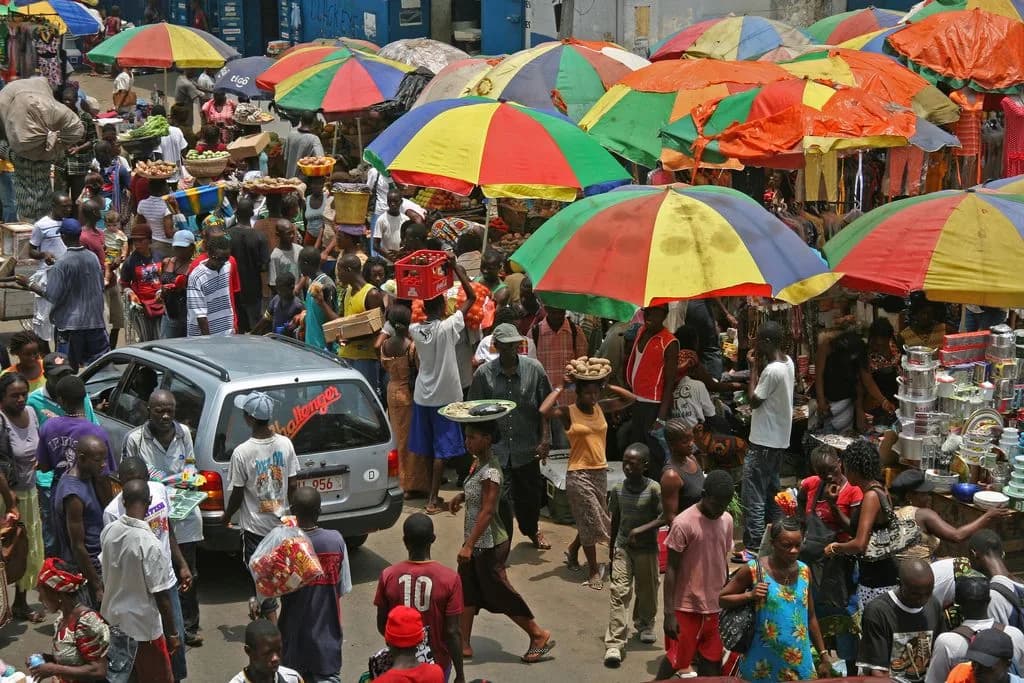
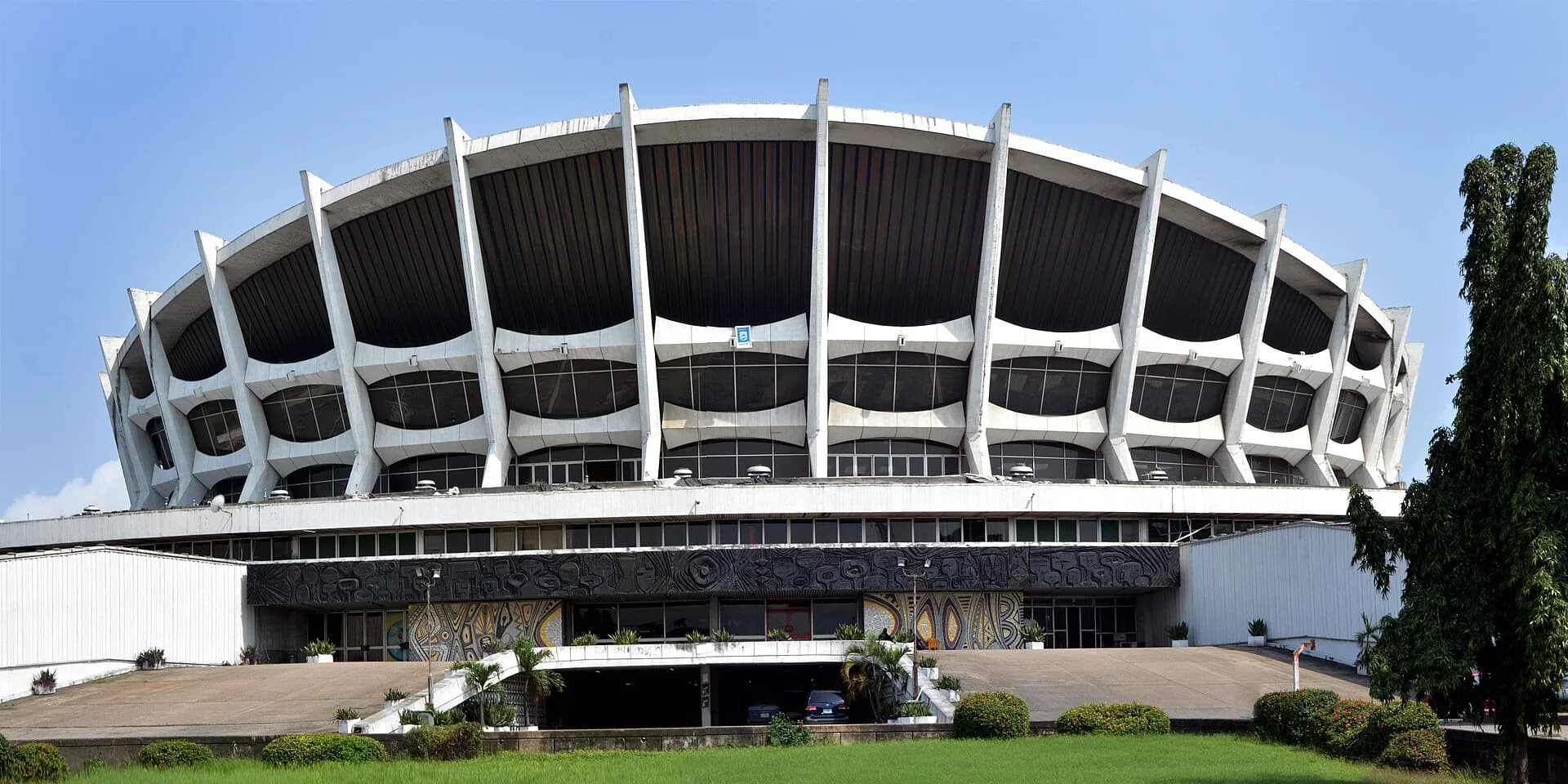
Photo: Nkansahrexford — CC BY-SA 4.0, via Wikimedia Commons
What it means for the diaspora
For Africans abroad who invest, trade or run businesses at home, the picture is broadly encouraging. Reforms in big markets such as Nigeria and Ethiopia have brought calmer conditions that make planning easier. The World Bank, which lifted its own regional forecast to 4.3% on 6 October, now urges governments to prepare for artificial intelligence, seeing the biggest openings in small, affordable tools for farming, health, finance and logistics. Kenya, Nigeria and South Africa already lead the region in using AI.
Families sending money home should keep an eye on prices. Dearer fuel, transport and fertiliser are pushing inflation up across the region, so a transfer may not stretch quite as far next year as it does today.
The clouds on the horizon
The "clouded" half of the title is about money. Bilateral aid is projected to fall by a further 12% this year, and interest payments already swallow about 12% of revenue in a typical government. The Fund wants support aimed squarely at the poorest households rather than broad fuel subsidies, and it advises commodity exporters to save most of their windfall, including by paying down costly debt.
Zeidane still struck a hopeful note. The region, he told reporters, has shown through difficult reforms and fast adaptation that there are good grounds for confidence, and he urged governments to keep investing in electricity, digital connectivity, skills and trade across borders through the African Continental Free Trade Area.
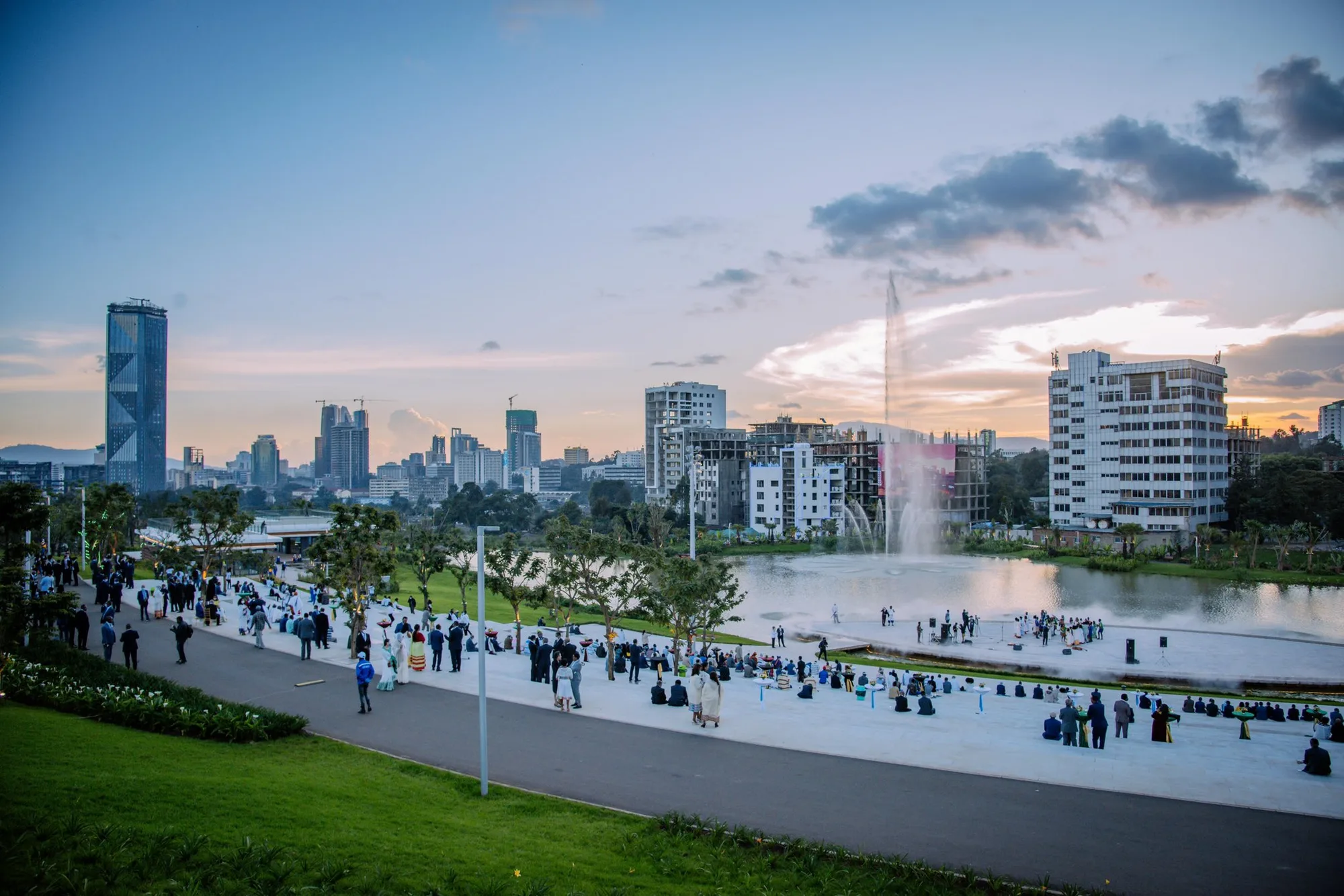
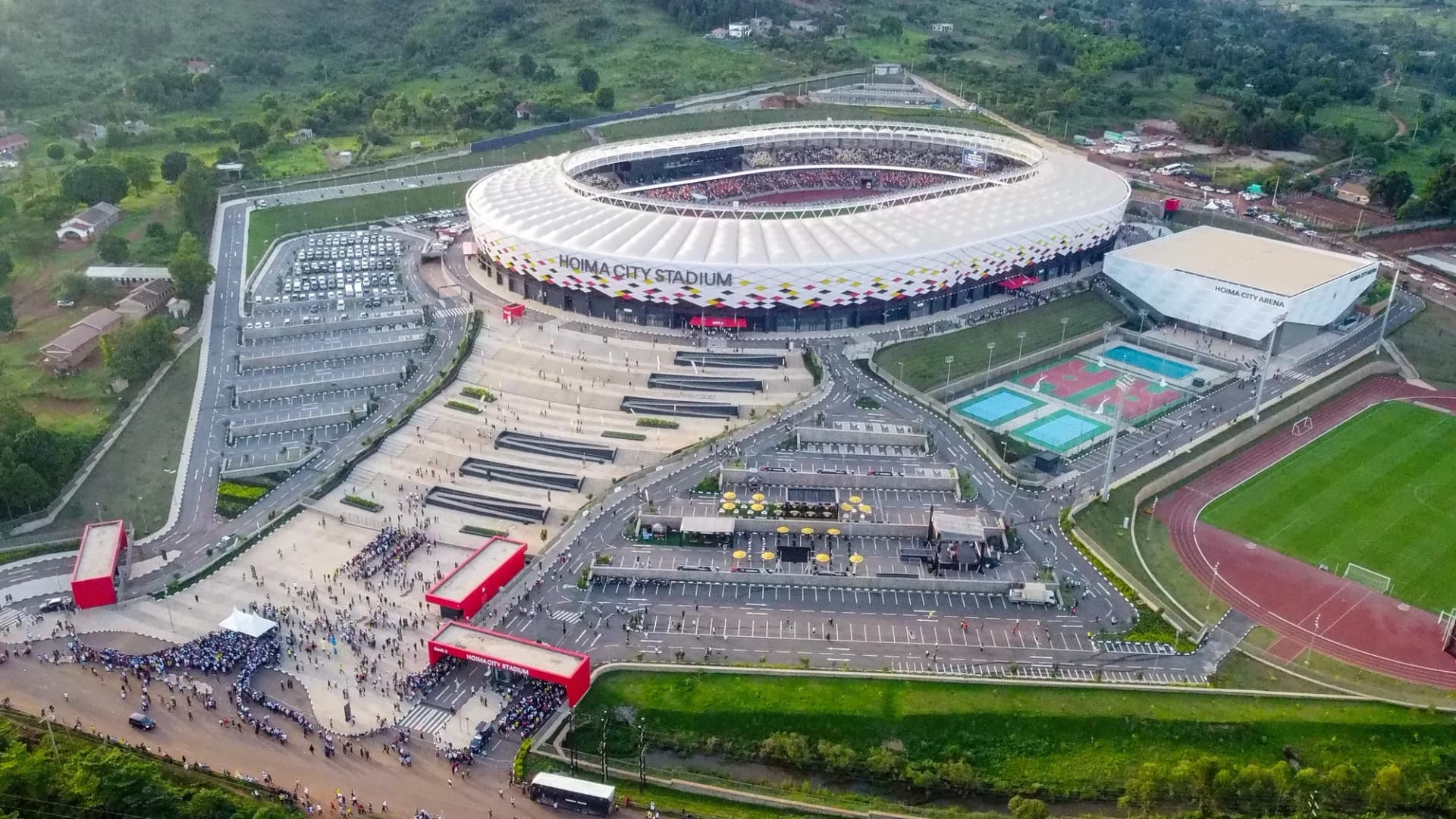
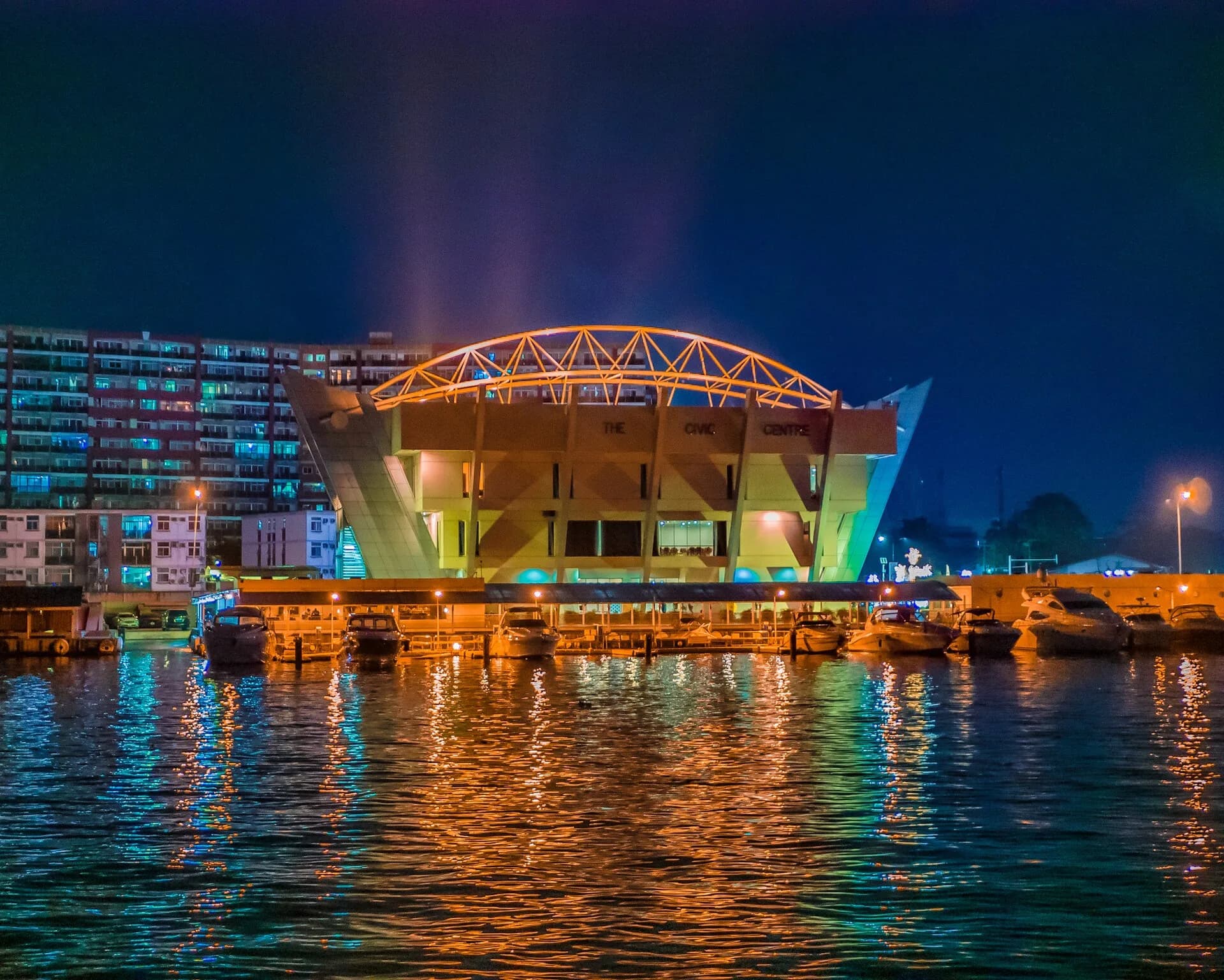
Photo: DaneyWiki — CC BY-SA 4.0, via Wikimedia Commons
Frequently asked questions
What is the IMF's growth forecast for sub-Saharan Africa in 2026?
4.5%, in its October 2026 regional outlook update, 0.2 percentage points above its April forecast. It expects the same rate in 2027.
Which African economies are growing fastest in 2026?
The IMF projects South Sudan, Ethiopia and Rwanda to record the region's highest growth in 2026. Ghana, forecast at 5.7%, is among the ten fastest.
What does the World Bank forecast for Africa in 2026?
The World Bank's October 2026 Africa update forecasts 4.3% growth for sub-Saharan Africa in 2026, 0.3 percentage points above April, and urges investment in readiness for artificial intelligence.
Will inflation rise in sub-Saharan Africa in 2026?
Yes, modestly. The IMF expects median inflation to rise from 3.4% in 2025 to 4.3% in 2026 and 5% in 2027, driven by dearer fuel, transport and fertiliser.


Comments
No comments yet.